Vaccine
Vaccines for Children, Adult and Travelers (Domestic and International)
Please call us to check the availability of the vaccines.
HPV (Cervical Cancer)
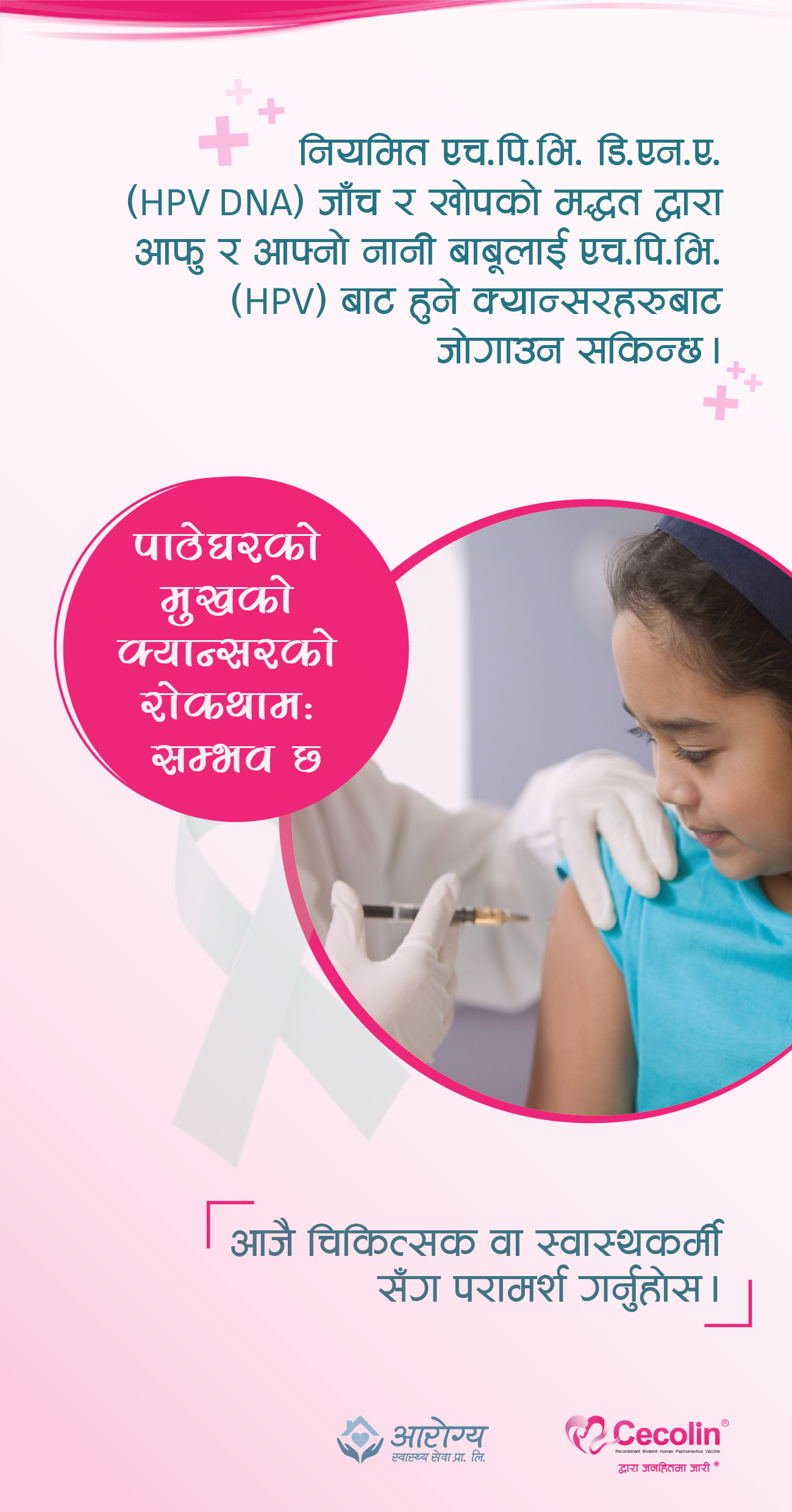
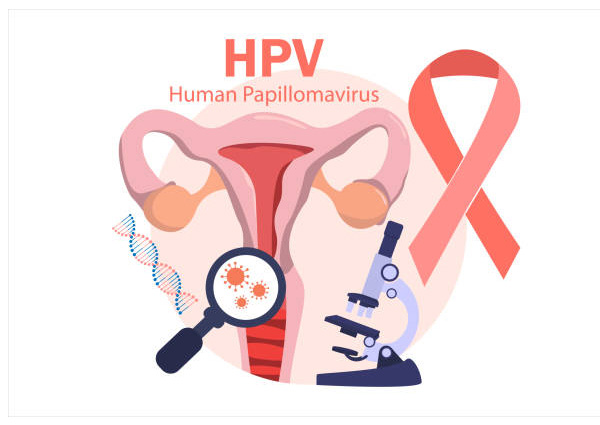
Human papillomavirus vaccines are vaccines that prevent infection by certain types of human papillomavirus. All HPV vaccines protect against at least HPV types 16 and 18, which cause the greatest risk of cervical cancer.
Flu (Influenza)
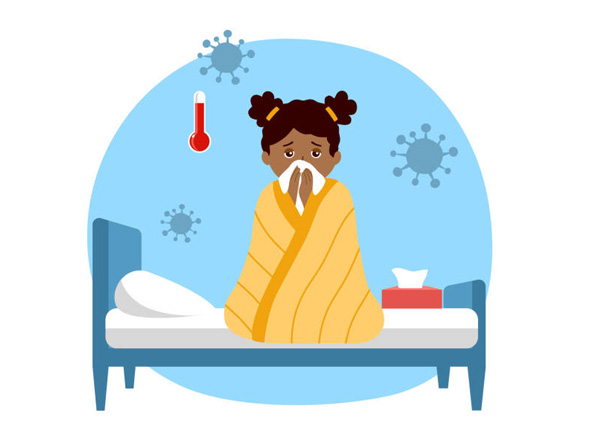
Influenza vaccines, also known as flu shots, are vaccines that protect against infection by influenza viruses. All persons aged 6 months of age and older are recommended for annual flu vaccination. Flu shots are appropriate for most people.
Pneumonia
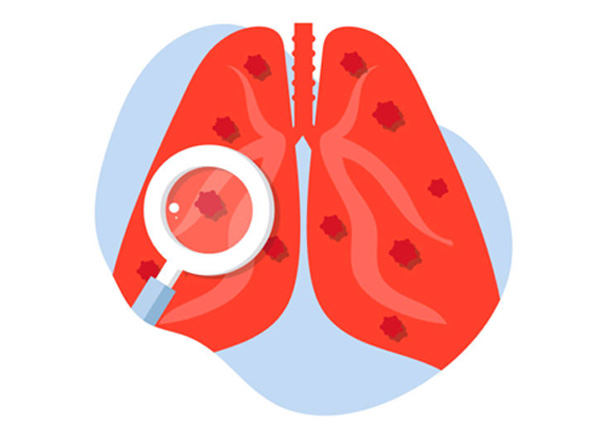
Pneumococcal vaccines are vaccines against the bacterium Streptococcus pneumoniae. Their use can prevent some cases of pneumonia, meningitis, and sepsis. There are two types of pneumococcal vaccines: conjugate vaccines and polysaccharide vaccines.
Rabies
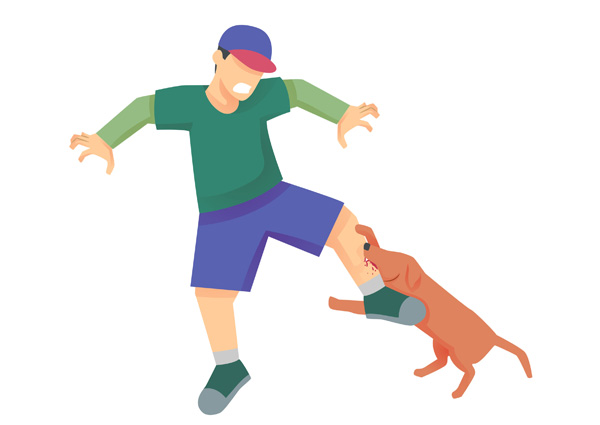
The rabies vaccine is used to prevent rabies. There are a number of rabies vaccines available that are both safe and effective. They can be used to prevent rabies before, and, for a period of time, after exposure to the rabies virus, which is commonly caused by a dog bite or a bat bite.
Polio
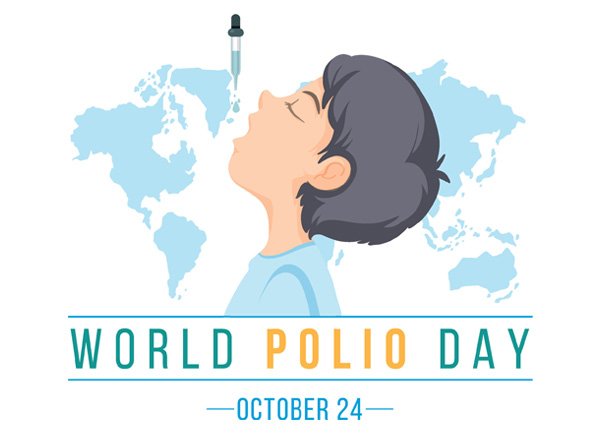
Polio vaccines are vaccines used to prevent poliomyelitis. Two types are used: an inactivated poliovirus given by injection and a weakened poliovirus given by mouth. The World Health Organization recommends all children be fully vaccinated against polio.
Japanese Encephalitis
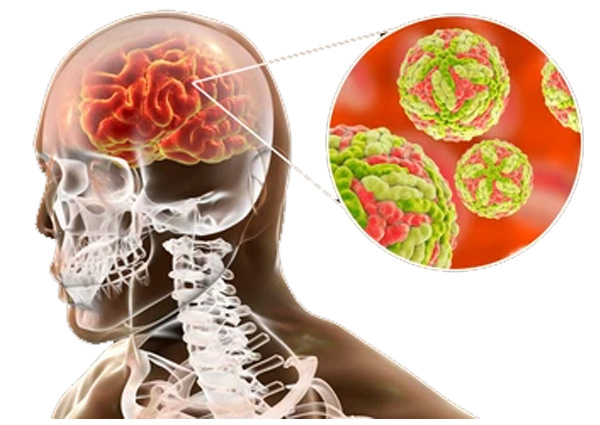
Japanese encephalitis vaccine protects against Japanese encephalitis. The vaccines are more than 90% effective. The vaccine is recommended for persons moving to a JE-endemic country to live, for 1 month or longer) travelers, and frequent travelers to JE-endemic areas.
Yellow Fever
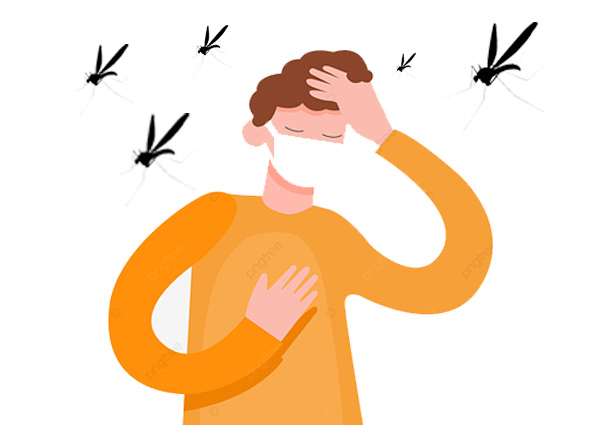
Yellow fever vaccine protects against yellow fever. Yellow fever is a viral infection that occurs in Africa and South America. Most people begin to develop immunity within ten days of vaccination and 99 percent are protected within one month, and this appears to be lifelong.
Hepatitis A & B
Combined hepatitis A and B vaccine provides protection against hepatitis A and hepatitis B. It is given by injection into muscle. It is used in areas where hepatitis A and B are endemic, for travelers, people with hepatitis C or chronic liver disease, and those at high risk of sexually transmitted diseases.
Typhoid
Typhoid vaccines prevents typhoid fever. Several types are widely available: typhoid conjugate vaccine, Ty21a and Vi capsular polysaccharide vaccine. Inactivated typhoid vaccine is administered as an injection (shot). It may be given to people 2 years and older. One dose is recommended at least 2 weeks before travel. Repeated doses are recommended every 2 years for people who remain at risk.
Rotavirus
Rotavirus vaccine protects against rotavirus infections, which are the leading cause of severe diarrhea among young children. The vaccines prevent 15–34% of severe diarrhea in the developing world and 37–96% of severe the risk of death among young children due to diarrhea. Infants should get rotavirus vaccine to protect against rotavirus disease.
Tetanus and Diphtheria (Td)
Tetanus vaccine, also known as tetanus toxoid, is used to prevent tetanus. Preteens should get one shot of Tdap between the ages of 11 and 12 years. All adults who have never received one should get a shot of Tdap. This can be given at any time, regardless of when they last got Td. This should be followed by either a Td or Tdap shot every 10 years.